Beginner's Guide to Gambling Steps to Success with Roulettino Casino
Κατανόηση του τζόγου
Ο τζόγος είναι μια δραστηριότητα που συνδυάζει την τύχη και την στρατηγική. Για τους αρχάριους, είναι σημαντικό να κατανοήσουν τους βασικούς κανόνες και τη δυναμική των παιχνιδιών. Μπορείτε να επισκεφθείτε το roulettino Greece για να αποκτήσετε περισσότερες πληροφορίες. Ο τζόγος μπορεί να είναι διασκεδαστικός, αλλά απαιτεί υπευθυνότητα και προσοχή, καθώς οι αποφάσεις που παίρνουμε μπορεί να έχουν άμεσες συνέπειες.

Η ψυχολογία του τζόγου είναι επίσης καθοριστική. Οι παίκτες συχνά αντιμετωπίζουν προκλήσεις όπως η προσδοκία για κέρδη ή η απογοήτευση από τις απώλειες. Κατανόηση αυτών των συναισθημάτων μπορεί να βοηθήσει τους αρχάριους να διαχειριστούν καλύτερα την εμπειρία τους.
Επιλογή παιχνιδιών
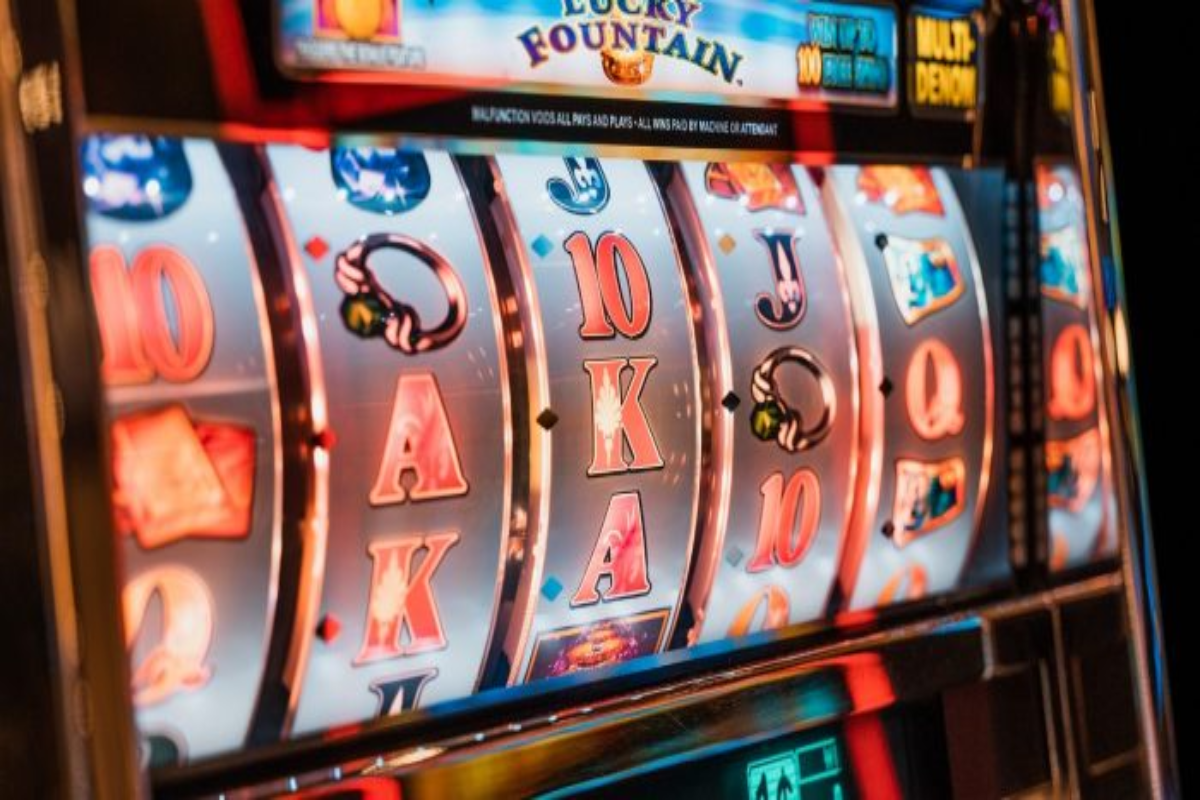
Στο roulettino casino, οι παίκτες έχουν τη δυνατότητα να επιλέξουν από μια ποικιλία παιχνιδιών, όπως ρουλέτα, φρουτάκια και live καζίνο. Είναι σημαντικό να επιλέξετε παιχνίδια που κατανοείτε και που σας προκαλούν ενδιαφέρον. Η σωστή επιλογή μπορεί να επηρεάσει σημαντικά την απόλαυση και την επιτυχία σας.
Όταν ξεκινάτε, ίσως είναι καλύτερο να επιλέξετε παιχνίδια με απλούς κανόνες. Αυτό θα σας επιτρέψει να εστιάσετε στη στρατηγική σας και στη διαχείριση του κεφαλαίου σας, χωρίς να αποσπάστε από πολύπλοκες διαδικασίες.
Διαχείριση κεφαλαίου
Η διαχείριση του κεφαλαίου είναι κρίσιμη στον τζόγο. Είναι απαραίτητο να καθορίσετε ένα προϋπολογισμό και να τηρείτε αυστηρά αυτόν τον περιορισμό. Η υπερβολική σπατάλη μπορεί να οδηγήσει σε αρνητικά αποτελέσματα και απογοήτευση.
Αξιοποιήστε τα μπόνους που προσφέρει το roulettino casino, καθώς μπορούν να ενισχύσουν τη διάρκεια του παιχνιδιού σας. Ωστόσο, θυμηθείτε πάντα ότι τα μπόνους συνοδεύονται από όρους και προϋποθέσεις, που θα πρέπει να γνωρίζετε πριν τα χρησιμοποιήσετε.
Ψυχολογία και στρατηγική
Η ψυχολογία παίζει καθοριστικό ρόλο στην επιτυχία στο τζόγο. Οι αρχάριοι πρέπει να μάθουν να ελέγχουν τα συναισθήματά τους, ιδιαίτερα σε περιόδους που οι απώλειες συσσωρεύονται. Η ψυχραιμία και η αυτοπειθαρχία είναι ζωτικής σημασίας για τη διαχείριση των στοιχημάτων σας.
Αναπτύξτε μια στρατηγική για το παιχνίδι σας. Αυτό μπορεί να περιλαμβάνει το πώς θα ποντάρετε ή το πότε θα σταματήσετε. Η στρατηγική σας θα πρέπει να προσαρμόζεται με βάση την εμπειρία σας και τις καταστάσεις που συναντάτε.
Roulettino Casino: Η εμπειρία σας
Το roulettino casino είναι μια αδειοδοτημένη πλατφόρμα που προσφέρει ασφαλή και νόμιμη πρόσβαση σε πλήθος παιχνιδιών. Η διαδικασία εγγραφής είναι απλή και φιλική προς τον χρήστη, επιτρέποντας στους αρχάριους να ξεκινήσουν γρήγορα. Επιπλέον, παρέχει πλήρη υποστήριξη στα ελληνικά, κάνοντάς το ιδανικό για το ελληνικό κοινό.
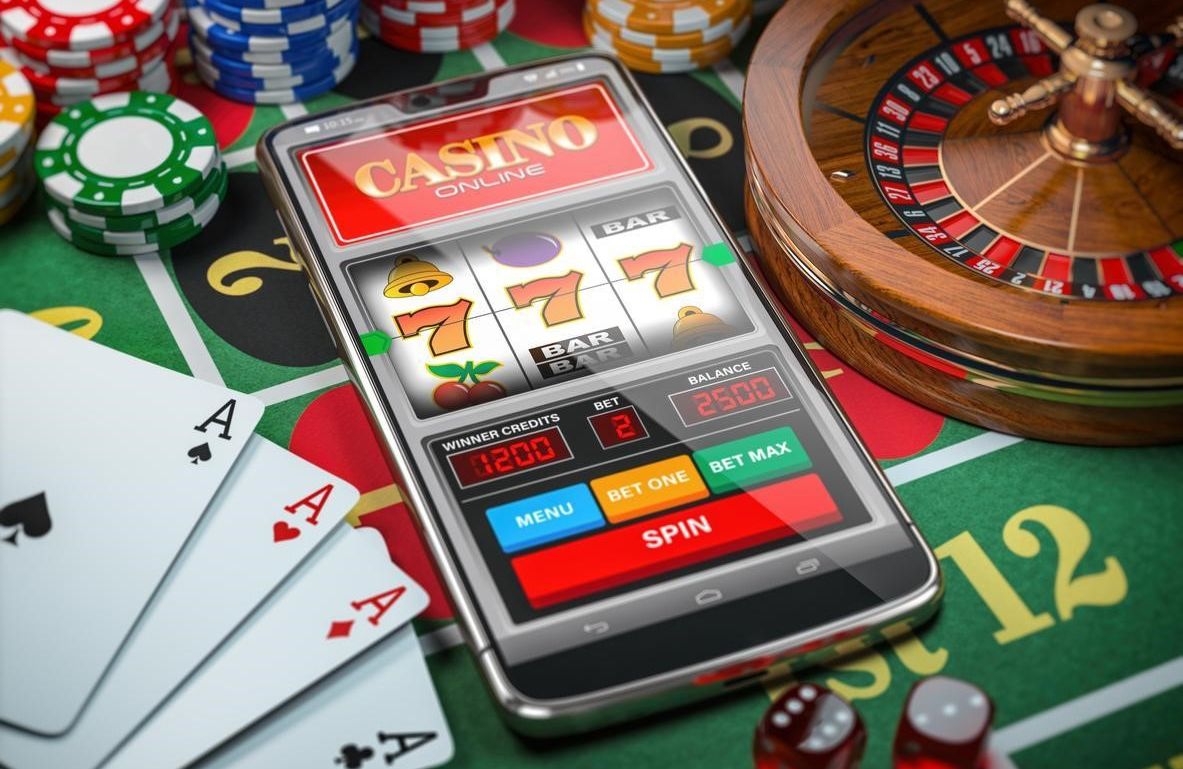
Η χρήση κινητών συσκευών είναι εύκολη και βολική, επιτρέποντας στους παίκτες να απολαμβάνουν τα αγαπημένα τους παιχνίδια από οπουδήποτε. Με αξιόπιστους τρόπους πληρωμής και διασφάλιση της προστασίας των προσωπικών δεδομένων, το roulettino casino είναι μια εξαιρετική επιλογή για τον αρχάριο παίκτη που θέλει να εξερευνήσει τον κόσμο του τζόγου.